
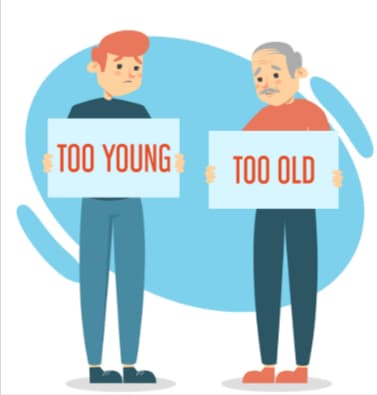
A severance notice does not have to derail retirement. One 61-year-old’s package looked like a disaster until the full numbers came in: a 401(k), taxable savings, a pension at 62, and a spouse still working. Together they revealed more than a decade to convert retirement savings to a Roth account before Social Security and Required Minimum Distributions both start.
A client got the call on a Wednesday morning. Position eliminated. Ninety-day severance. He was 61, and he had planned to work until 65.
His first reaction was panic. His whole retirement plan was built around four more years of saving and employer healthcare.
Then we mapped the complete picture
- $1.9 million in his 401(k)
- $340,000 in taxable savings
- A pension starting at 62
- A spouse still working for three more years
Numbers and identifying details are a composite drawn from situations we see often, not one individual’s file.
The story rewrote itself. He had not lost four years of retirement—he had gained an 11-year Roth conversion window, the kind many people never get to use because they work too long to use it.
The panic was real, but it was based on an incomplete picture.
Why does a severance package create a Roth conversion opportunity?
The window opens because three things are true at once: no salary, a pension that has not started yet, and taxable income low enough to fill the bottom tax brackets on purpose instead of by accident. RMDs start at 73, or 75 if you were born in 1960 or later. At 61 in 2026, his RMDs start at 75.
| Stretch | What’s happening | Main income sources |
|---|---|---|
| Age 61 | Severance ends, no new salary; spouse still working | Taxable savings, severance pay, spouse’s salary |
| Ages 62–63 | Pension begins; spouse still working | Pension, spouse’s salary |
| Ages 64–74 | Spouse retires; before RMDs | Pension, Social Security, portfolio |
| Age 75+ | Required Minimum Distributions begin | RMDs stack on top of everything else |
Every year in that stretch without a full salary and without RMDs is a year to run a Roth conversion at a bracket you choose, instead of the bracket Required Minimum Distributions force on you later. Our Roth conversion window guide walks through how to size the conversion each year so it fills a bracket without spilling into the next one.
Did early-withdrawal penalties apply at 61?
At 61 he was past 59½, so withdrawals from his 401(k) or an IRA carried no 10% early-withdrawal penalty, which left tax as the constraint to plan around.
Every dollar withdrawn from a pre-tax 401(k) is still ordinary income in the year received. In his case, the plan relied on the low-income years to decide how much to withdraw or convert, rather than pulling large amounts because no penalty applied.
How does severance pay itself affect the numbers?
Severance arrives in different shapes: a lump sum, salary continuation over several months, or a combination with continued benefits. Each shape has a different tax timing effect. A lump sum lands in a single tax year and can push that year’s income higher than the years around it, which argues for waiting until the following year to start large Roth conversions. Salary continuation spreads the income out, which can make the low-income window start later than it first appears. Before assuming a severance package opens a conversion window immediately, check which year the payments land in and what the household’s total taxable income looks like in that specific year, not the year after.
What about health insurance before Medicare?
Four years before Medicare, from 61 to 65, is real money and real risk. Retiring before 65 means bridging the health insurance gap through COBRA, an ACA marketplace plan, a spouse’s employer coverage, or, in his case, three years on his wife’s plan while she kept working, which left one year to cover before Medicare. The bridge is a planning input, not an afterthought to solve the month before COBRA runs out.
Marketplace premiums are calculated from reported income for the year, not net worth. A household with $2 million in retirement accounts can still qualify for meaningful premium assistance if taxable income is managed deliberately during the bridge years, which is one more reason the health insurance decision and the withdrawal or conversion decision have to be made together rather than separately.
The gap between “my plan is ruined” and “I have a path” usually is not luck or extra money. It is whether someone runs the complete numbers before deciding anything.
Layoffs at 58, 60, and 61 are more common than corporate America admits. If your retirement timeline has shifted—by choice or not—what is the first thing you would want to know before making your next move?
What does this mean for the two of you?
A severance notice, a buyout offer, or an unplanned layoff feels like the plan collapsing. Usually it changes the plan, not the ending. The math that matters is not how much severance you received. It is what your household’s complete picture looks like once you lay out every account, every income start date, and every year of headroom before Social Security and RMDs both start filling up your tax bracket.
If your timeline moved without your permission, in either direction, get the complete numbers before you decide anything: whether to roll accounts, when to start a pension, whether to convert, and how to bridge health coverage. A rushed decision in month one is harder to undo than a deliberate one in month three.
Ask specifically how your severance will be paid, lump sum or continued salary, before you plan around it. The shape of the payment changes which tax year absorbs the income, and that single detail can move your Roth conversion math by a full year.
Robert Boeck has walked more than one household through exactly this recalculation. Schedule a conversation before you sign anything or roll over a single account.
Common questions
- I got a severance package in my early 60s. What should I check first?
- Map every income source and its start date: severance pay, taxable savings, any pension, and when Social Security could begin. Then check how you will bridge health coverage until Medicare eligibility at 65. Decide after you see the complete picture, not before.
- Why would an early severance create a Roth conversion opportunity?
- A gap year without salary, with a pension or Social Security not yet started, often produces your lowest taxable income in decades. That low-income window can make it efficient to convert part of a pre-tax 401(k) or IRA to a Roth account before Required Minimum Distributions begin at 73, or 75 if you were born in 1960 or later.
- How do I get health insurance if I retire before 65?
- Options include COBRA continuation from your former employer, an ACA marketplace plan, or coverage through a spouse’s employer if one of you is still working. Marketplace premiums depend heavily on your reported income, so the coverage decision and the withdrawal or conversion decision usually need to be made together.
If the decisions on this page are ahead of you, the two of you can work through them with Robert Boeck before any of them becomes permanent.
Schedule Your Consultation